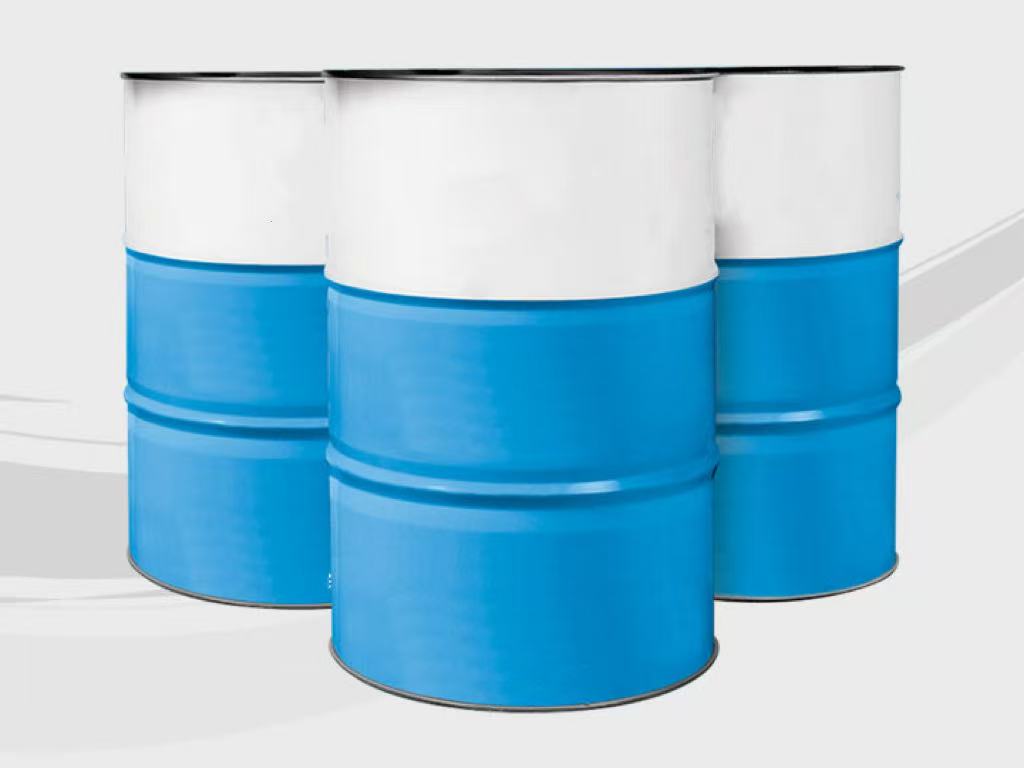

Eco-friendly cleaning oil has a wide range of applications, effectively removing most oils, grease, and oil films. It dries quickly and offers excellent solvency. It can be used in various cleaning methods such as ultrasonic cleaning, soaking, or wiping between processes. Suitable for industries including hardware, jewelry, watches, electronics, and electrical equipment, it is ideal for cleaning oil stains, dust, and other contaminants from metal surfaces such as stainless steel, aluminum, copper, galvanized sheets, silicon steel, cold-rolled steel, single-sided glass, and tinplate.
1. Strong cleaning power with fast evaporation; after cleaning, the solvent completely evaporates without leaving oil marks, water spots, discoloration, or other defects.
2. Stable performance that does not degrade over time.
3. Environmentally friendly, non-toxic, and harmless—free from controlled substances and ozone-depleting components (ODP=0). It complies with IFLKO 14000 certification standards and is not subject to toxicity restrictions under FLKFLKA 313.
2. Stable performance that does not degrade over time.
3. Environmentally friendly, non-toxic, and harmless—free from controlled substances and ozone-depleting components (ODP=0). It complies with IFLKO 14000 certification standards and is not subject to toxicity restrictions under FLKFLKA 313.
When cleaning by wiping, always wear chemical-resistant gloves to prevent contaminants on hands from accelerating metal corrosion and to avoid fingerprints affecting the appearance of polished metal surfaces. This also helps prevent excessive skin dryness caused by prolonged exposure to the cleaning agent.
For soaking or ultrasonic cleaning, to enhance cleaning efficiency, reduce solvent consumption, and achieve optimal results, we recommend a three-tank, three-stage or four-tank, four-stage cleaning process. If conditions permit, additional tanks may be added. Each tank should be used for 1–3 minutes. After thorough cleaning, parts should be dried using strong (or hot) air. When replacing the cleaning solution, transfer the dirtiest tank's solution into a recovery system, shift the second tank to the first, the third to the second, and the fourth to the third, then refill the fourth tank with fresh, clean solvent. When removing workpieces from each tank, allow them to drip-dry above the liquid for 30 seconds before transferring to the next tank. This minimizes waste and prevents cross-contamination between tanks. This method ensures rapid and effective decontamination, making it an excellent cleaning approach.